

If TENS pads cause itching, redness or irritation, switch the unit off and remove the pads. Do not continue the session over irritated skin. A visible mark alone cannot tell you whether the problem is adhesive sensitivity, skin irritation or another cause.
This guide covers what to check after a skin reaction, what information to keep and what to ask before trying another electrode. It does not diagnose a rash. If the sensation is an electrical fault without skin symptoms, use our separate TENS troubleshooting guide.
Stop the session before checking the cause
The NHS advises stopping TENS and removing the electrodes if skin becomes itchy, irritated or red. It also advises against use on irritated, broken, infected or numb skin. Redness can be less visible on darker skin, so pay attention to discomfort and changes in texture as well as color.
Turn off before peeling the pads away gently. Avoid pulling them off by the lead wire. Put the controller aside while you inspect the area. Do not restart by simply choosing a lower level if the skin is already sore.
Keep the pad packaging and note which electrodes were used. If you contact a pharmacist, clinician or the seller, it helps to know the pad brand, connector, approximate age and whether you had used that pack before. A photo of the affected area, if you are comfortable taking one, can help you describe changes over time.

What might be relevant to the reaction?
Royal United Hospitals Bath explains that some people react to electrode pads and should discuss concerns with a GP, physiotherapist or pharmacist. That possibility does not mean every red patch is an allergy. Do not identify an ingredient as the cause without an appropriate assessment.
| Detail | Useful question | What it does not prove |
|---|---|---|
| Timing | Did discomfort begin during use or after removal? | A particular diagnosis |
| Location | Is the change under one pad, both pads or elsewhere? | Which ingredient caused it |
| Pad condition | Were pads lifting, damaged, dirty or no longer adhering evenly? | That cleaning will make a reaction safe to ignore |
| Skin preparation | Were creams, oils or a new skincare product present? | That the electrode itself is harmless |
| Session setup | Which mode, intensity, placement and duration were used? | That a lower setting alone resolves the problem |
For future sessions that a professional considers appropriate, follow the model's skin preparation instructions. Leeds Teaching Hospitals advises clean, dry skin without cream or talc at the electrode site. It also warns that skin reactions or electrode burns are possible. Discomfort therefore deserves attention even if TENS has felt comfortable previously.
Keep skin care and electrode care separate. Advice about washing a reusable pad is not advice to apply that pad to inflamed skin. Our pad cleaning and storage guide covers routine care; the instructions supplied with the actual electrodes remain the starting point.
Would hypoallergenic TENS pads solve the problem?
Possibly suitable alternatives are a question for a healthcare professional and the electrode manufacturer. “Hypoallergenic” is a product claim to verify, not a promise that no one will react. Before buying a different pad, ask what material information is available and whether it is compatible with your controller and intended use.
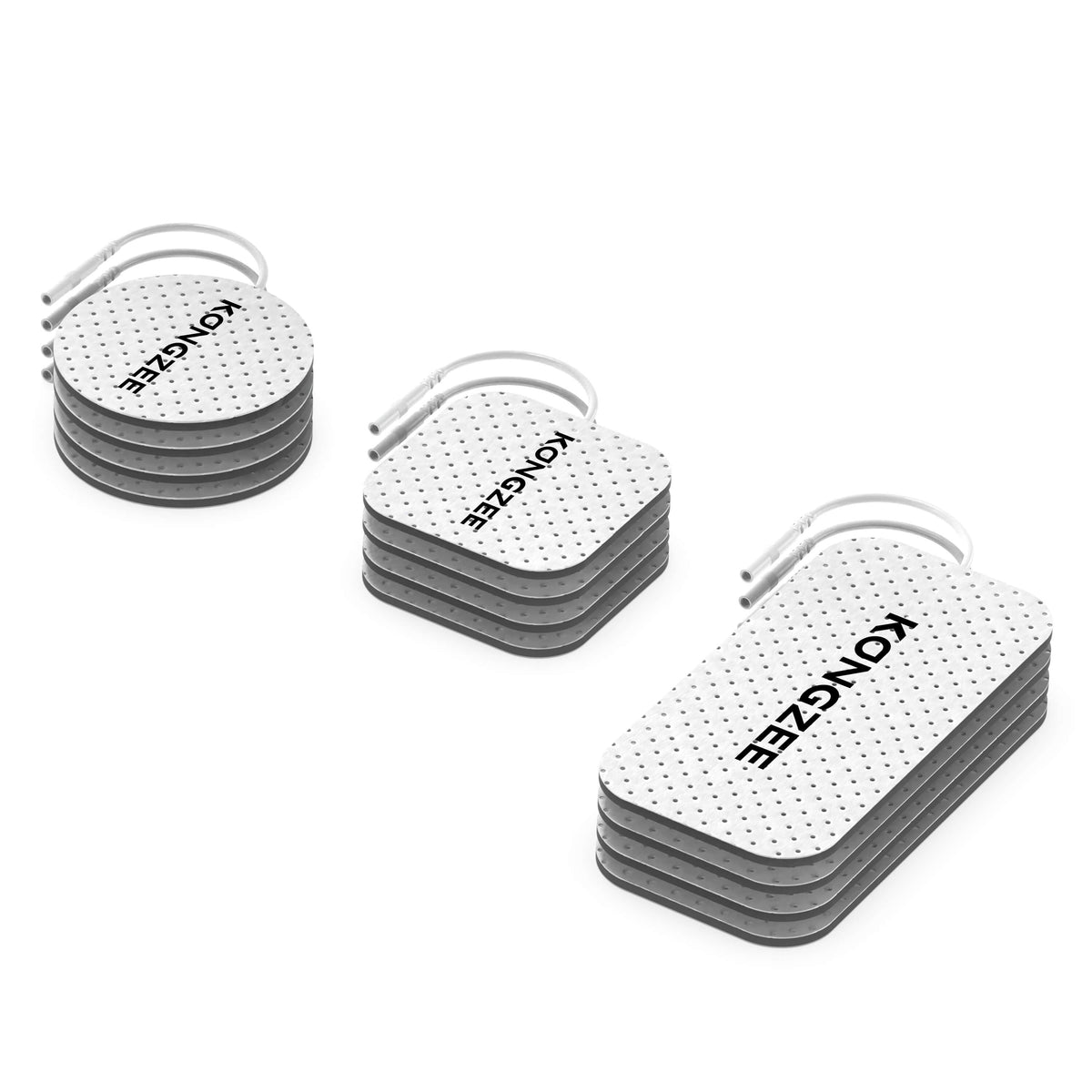
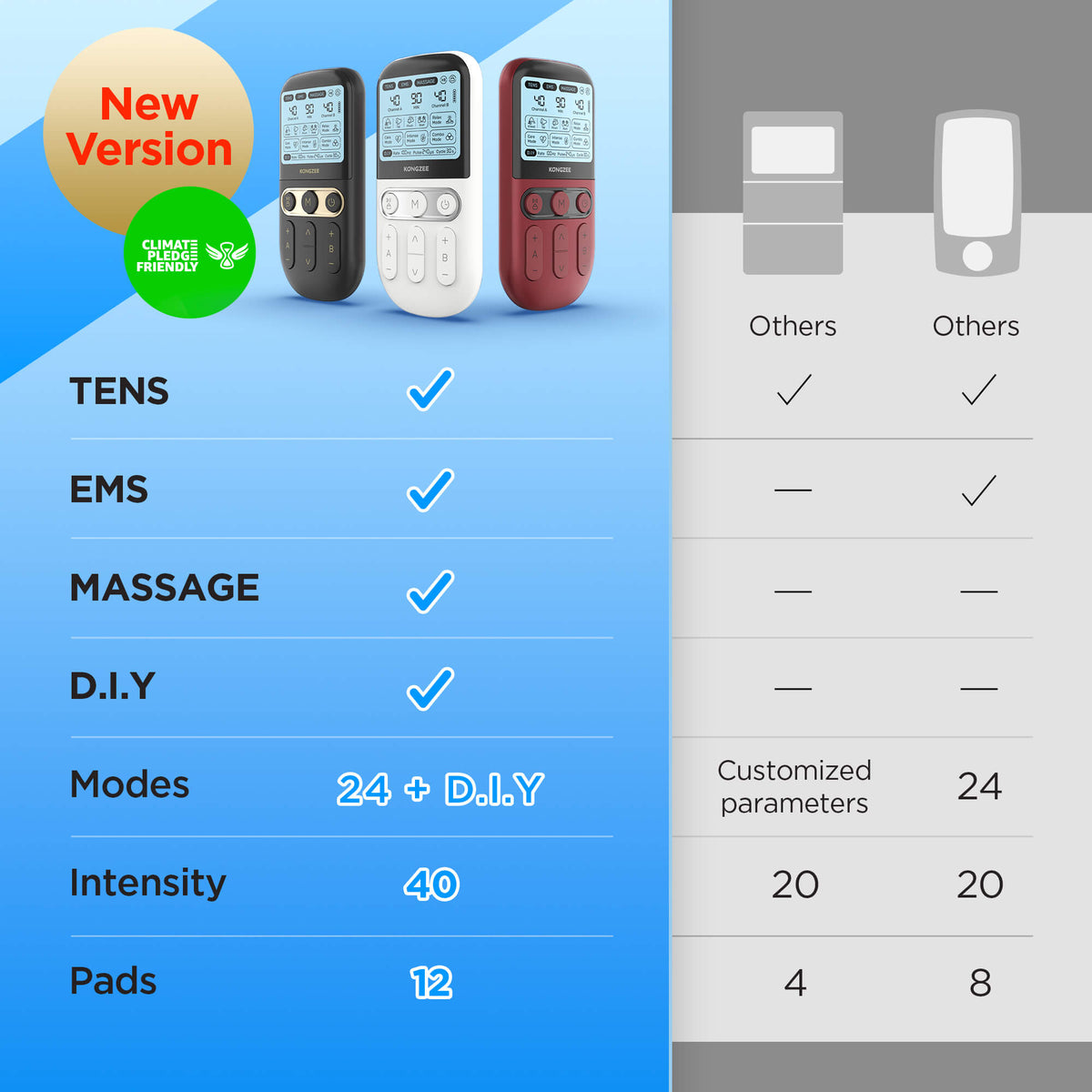
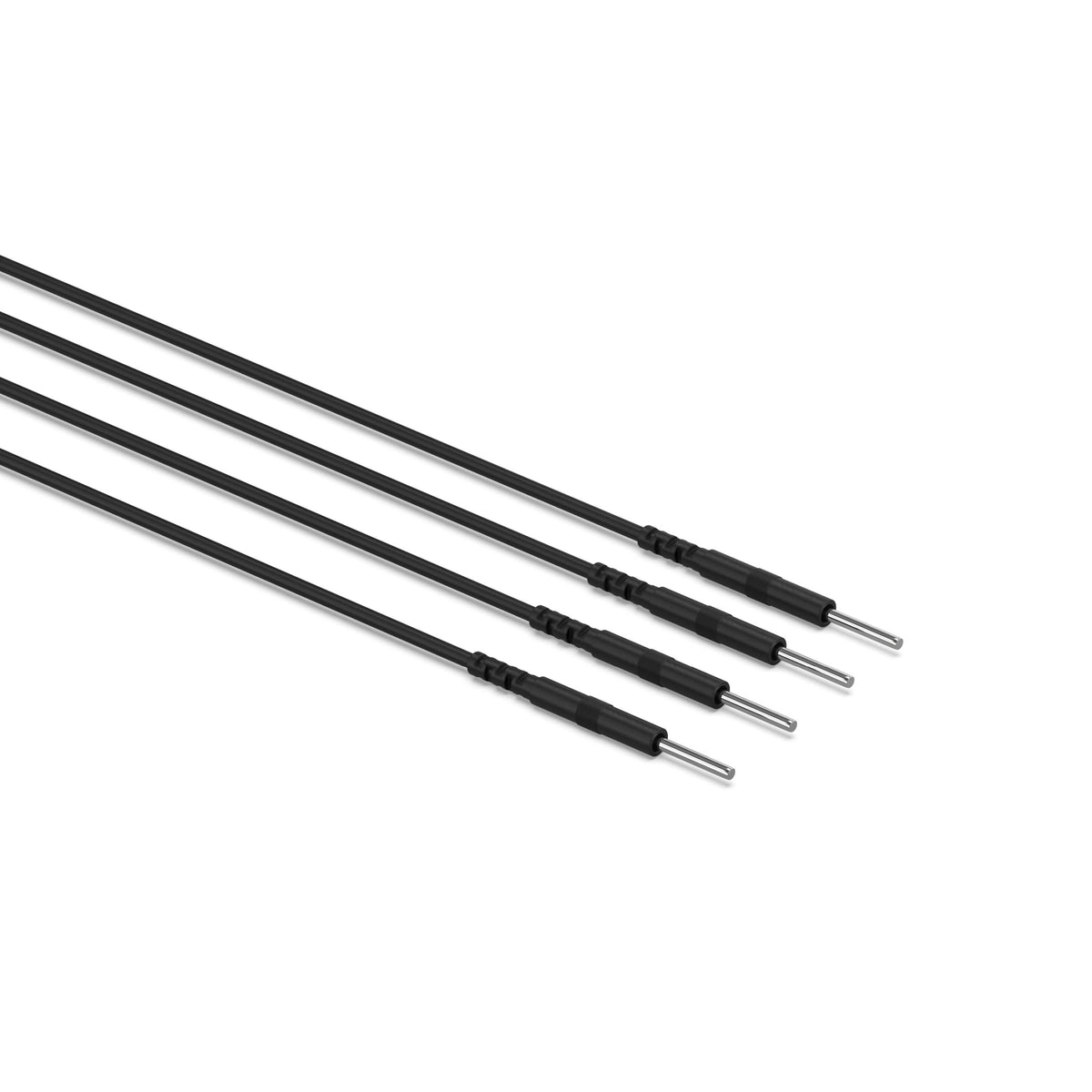
For users of the KONGZEE 9026 TENS and EMS unit, the current listing identifies reusable mixed-size pads with 2mm pin connectors. It does not establish that the included pads are hypoallergenic or suitable for someone with a known adhesive allergy. We do not recommend them as a treatment for sensitive skin.
A connector match answers only the connection question. Do not cut electrodes, substitute household tape, add an improvised barrier under the conductive surface or apply an unapproved cream or gel to make a troublesome pad usable. Ask for the correct alternative rather than modifying the setup. The replacement pad guide explains the separate checks for size and compatibility.

When should you get medical advice?
Contact a clinician or pharmacist for persistent, recurrent or worsening skin symptoms, or before resuming TENS if you are unsure what caused the reaction. The NHS contact dermatitis guidance notes that reactions can appear later as well as immediately. It recommends immediate medical advice for a severe reaction or suspected infection, including rapidly worsening symptoms, discharge, increasing pain or feeling unwell.
Do not use a blog photograph to decide whether your skin is “bad enough.” Describe what you feel, when it started and whether it is changing. Avoid repeated test sessions on the same affected area while waiting for advice.
What to tell KONGZEE support
For an accessory or setup question, use the manual and support page. Include your model, order platform, pad pack information, session details and whether a lead or pad appeared damaged. Product support can check the equipment information; a skin diagnosis needs a healthcare professional.
If you purchased the unit through another platform, contact that seller through the original order for purchase-specific replacement or return arrangements. Keep the affected accessories out of use until you receive appropriate guidance. Do not send payment card information or unnecessary medical records.
Questions about skin and TENS pads
Should I just move the pads to another spot?
Stop the current session first. Moving pads does not identify the cause of a reaction. Follow professional advice about whether to resume and where electrodes may safely be placed.
Can I use TENS over a rash if the intensity is low?
No. A low displayed number does not make irritated or broken skin an appropriate electrode site.
Does irritation mean my controller is defective?
Not necessarily. Skin symptoms alone cannot establish an equipment fault. Report both the symptoms and any visible damage rather than assuming either an allergy or a broken controller.
Can a new pad pack guarantee no further reaction?
No. Verify the pad information and ask about suitability before resuming. Read our contraindications guide for broader restrictions beyond skin irritation.
By KONGZEE Editorial. Sources and product information checked October 21, 2026. This article cannot diagnose skin conditions. AI-generated lifestyle images are illustrative and do not show a skin assessment or treatment result.






Leave a comment
All comments are moderated before being published.
This site is protected by hCaptcha and the hCaptcha Privacy Policy and Terms of Service apply.