

Quick answer: Choose TENS pad size by the device’s instructions, approved electrode options and how completely the pad fits the intended area. Small pads are not automatically more precise, and large pads are not automatically more effective. The connector must also match. After an approved pad change, start again at the lowest intensity rather than reusing the old setting.
A replacement pad has two separate jobs: connect correctly and make suitable skin contact. A 2mm pin that fits the lead does not prove that every available pad size is appropriate for the unit. This guide focuses on size and shape; use our replacement pad compatibility guide for the broader buying checklist.
Small vs large TENS unit pads: what changes?
The relevant measurement is the electrode’s contact area, together with its shape and construction. A large outline is not useful if the edges lift or the surface wrinkles. A smaller pad that physically fits a curved area still needs to be permitted for the device and setup.
| Factor | Smaller electrode | Larger electrode |
|---|---|---|
| Physical fit | May fit a limited space, if the device permits that size | Needs enough suitable skin for complete contact |
| Contact area | Less surface area; do not assume an old setting will feel the same | More surface area only when the whole electrode contacts skin |
| Spacing | Must still follow the placement instructions | Must leave the required separation from the other electrode |
| Buying check | Verify minimum size and intended application | Verify approved size, shape and connector |
| What size cannot prove | A more accurate diagnosis or more effective treatment | Deeper treatment or better relief |
Why can a different pad feel different?
Electrode area is part of how stimulation reaches the skin. At the same delivered current, a smaller contact area has a higher average current density. That does not let you calculate a safe home setting from a pad’s dimensions: real contact, electrode construction and device output also matter.
A manufacturer’s manual for another electrotherapy system explicitly links electrode size and current density, illustrating why size is a device-specific safety requirement. Its minimum electrode area is a rule for that system, not a specification for KONGZEE. See the ComboCare manufacturer manual.
Electrode maker Axelgaard also warns against unsuitable size, shape or incomplete attachment, and instructs users to keep electrodes apart. Read its electrode instructions. These principles support a practical decision: if a pad does not sit flat, stop and resolve the setup rather than compensating by turning the intensity up.

How should you compare pad dimensions before buying?
- Identify the device and original pad. Record the model and any replacement part number on the package. Keep the original instructions available.
- Read the actual dimensions. “Small” and “large” are relative descriptions. Compare the stated width and length, or diameter, in the same units.
- Check the shape. A circle and a rectangle with a similar width have different contact areas. Matching one measurement does not make them identical replacements.
- Confirm the connection separately. Distinguish a pin connection from a snap. Also verify that the existing lead is correct for the controller.
- Confirm approved use. Look for the device maker’s electrode requirements. If those are missing, ask support before purchasing a substantially different pad.
For unit conversion, one inch is 2.54cm. As a geometry example, a nominal 2 × 2-inch square is about 5.08 × 5.08cm, while a 2-inch-diameter circle has less area. Rounded edges and the actual gel surface can change the usable contact area further. This example explains how to read listings; it does not specify the dimensions of the pads supplied with the 9026.
Before ordering, save the intended listing and compare it with the original package. A useful support request is: “I have this model, this original pad and this replacement size. Is this exact replacement suitable?” That avoids relying on a universal-compatibility headline or a photo without a scale.
Which pad sizes come with the KONGZEE 9026?
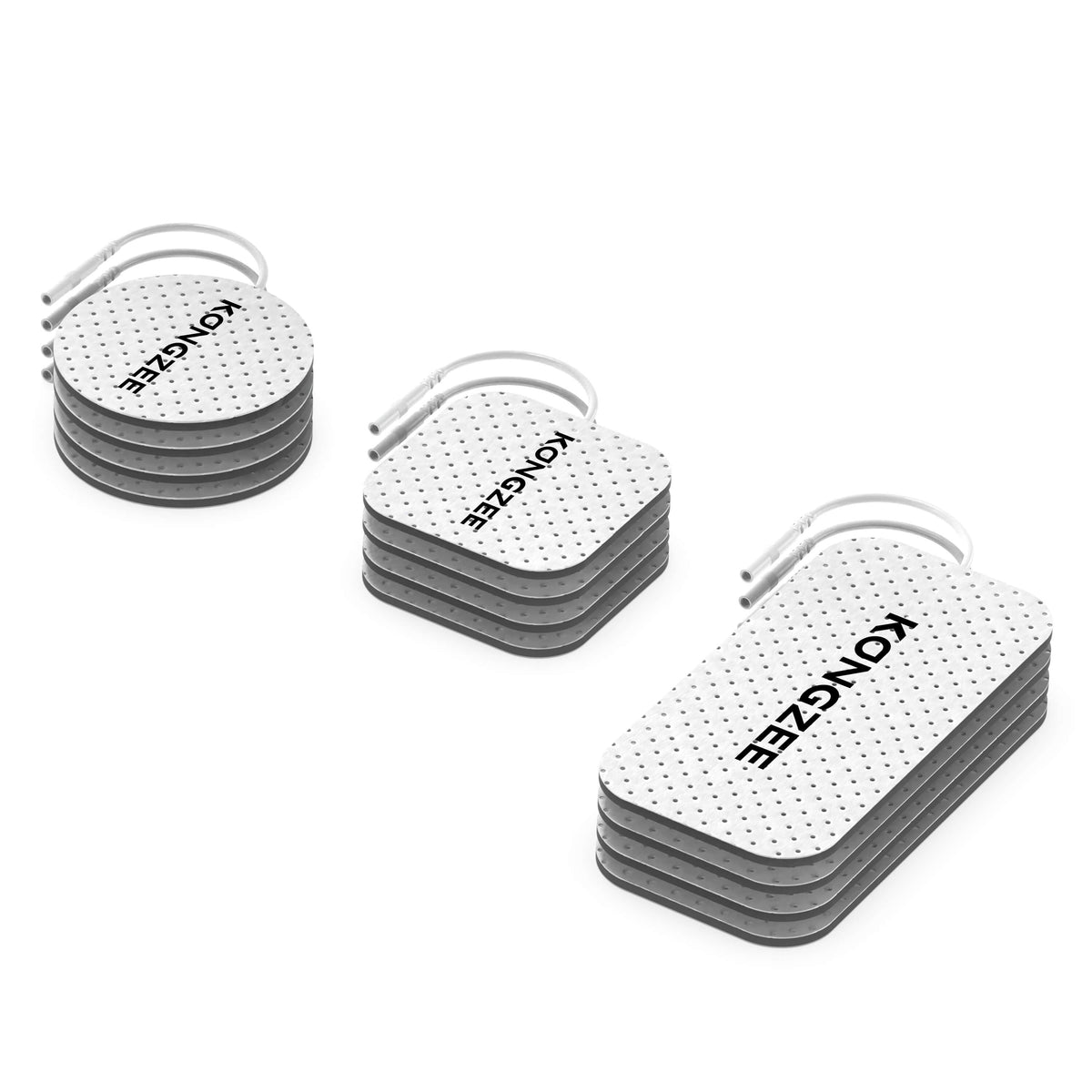
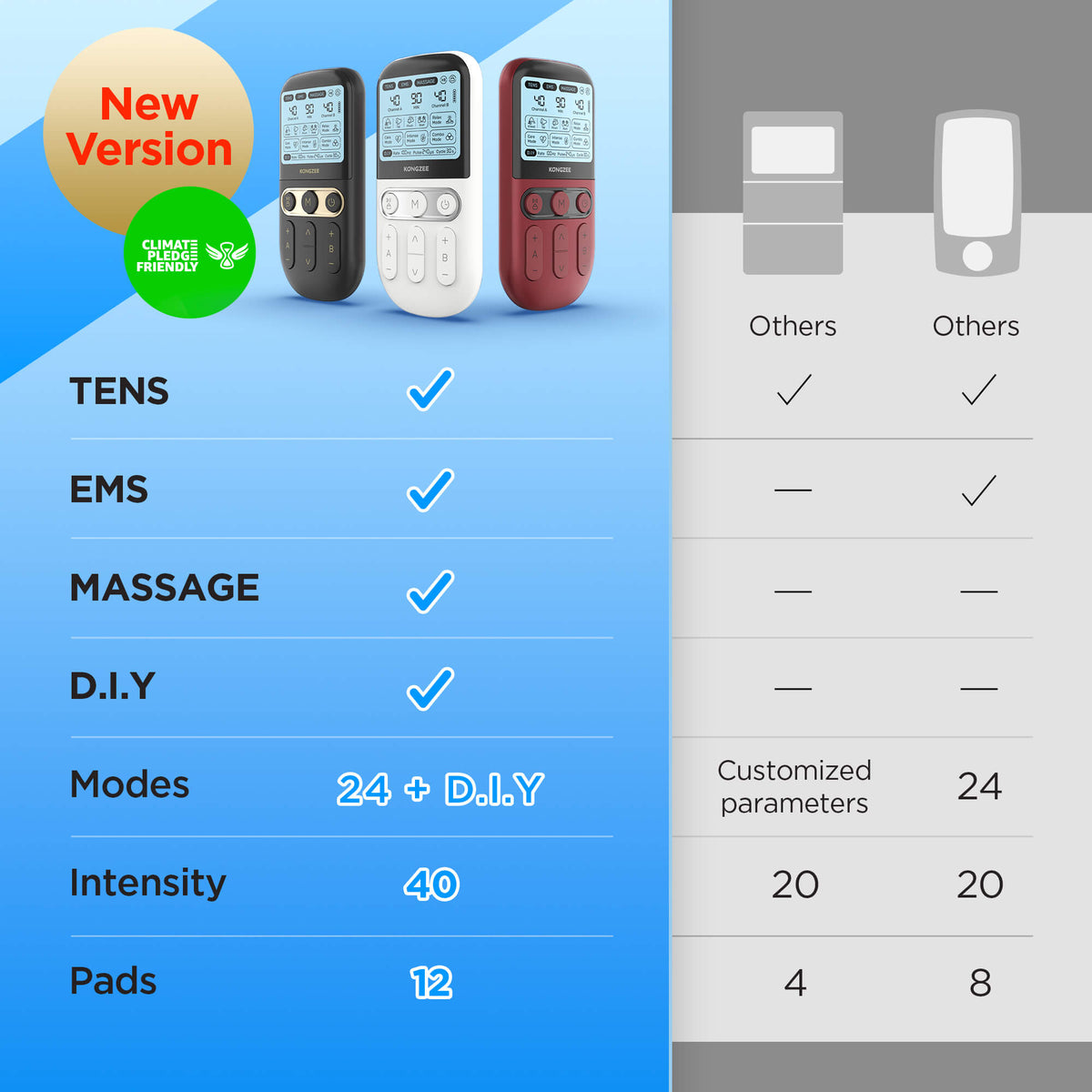
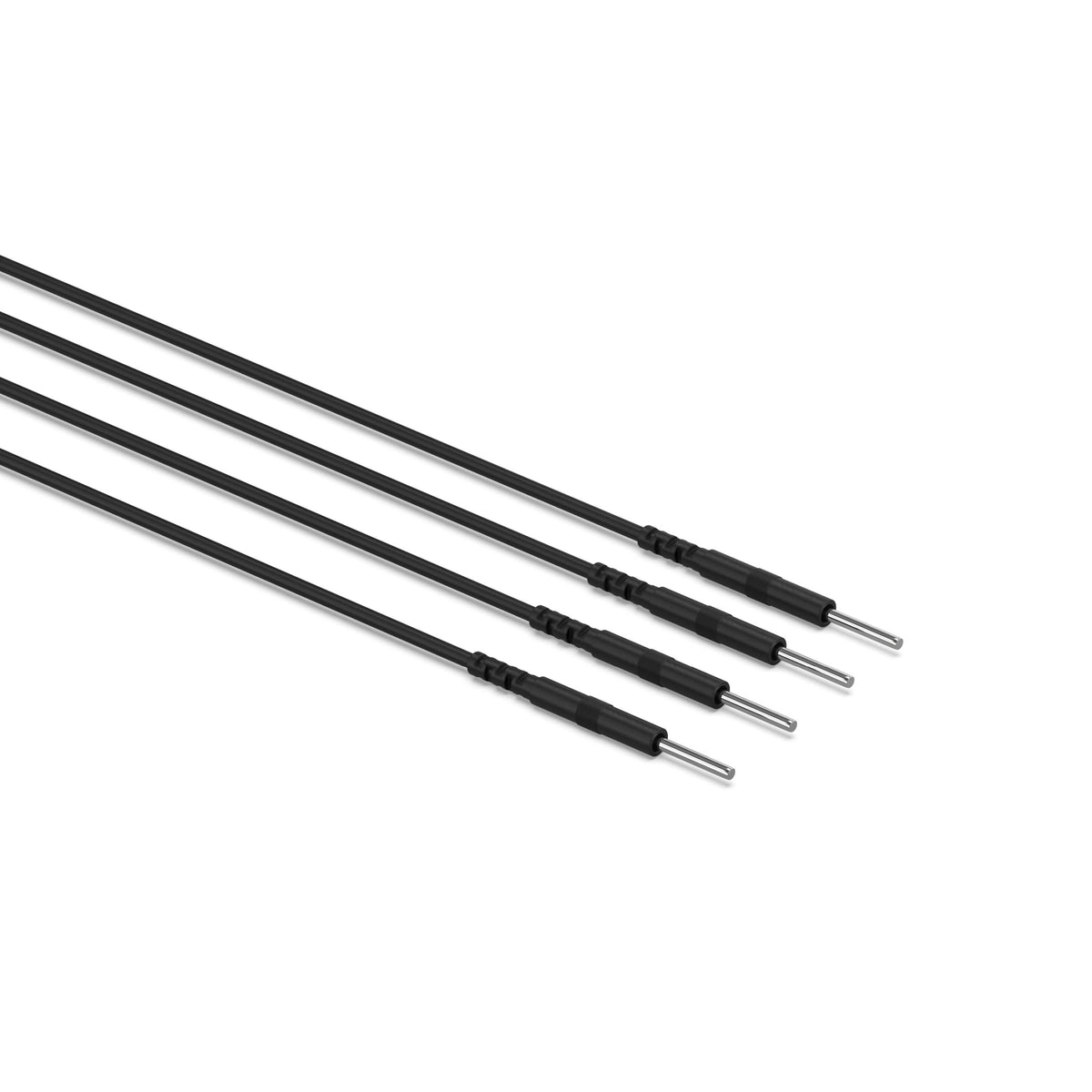
The current KONGZEE 9026 kit lists 12 reusable electrode pads in mixed sizes, two lead wires and standard 2mm pin pad connections. The verified product specification does not provide a complete numerical size chart, so this guide does not invent exact dimensions for each supplied pad.
Use the supplied pad instructions and 9026 manual and support information to confirm which option belongs in your setup. For a replacement, check the KONGZEE replacement pad listing and ask about any measurement you cannot verify. Pin fit alone is only one part of that check.
The 9026’s independent A/B intensity controls let each active channel be adjusted separately. They do not mean that an arbitrary mix of pad sizes is appropriate on a single lead, or that more pads can be connected with an unapproved splitter. Review how the two channels work before changing the arrangement.

What should you do when switching to an approved pad size?
Switch the unit off before changing electrodes. Check the skin and pad condition, then follow the approved placement. Start a new session at the lowest intensity and increase gradually only within the instructions and your comfortable response. A setting that felt comfortable yesterday is not a fixed dose for a different setup.
Never trim, fold or overlap an electrode to force it into place unless its manufacturer expressly allows that alteration. Keep pads separate and avoid irritated, injured or numb skin. If you cannot fit the approved electrodes with the required spacing, seek advice on the setup rather than improvising a smaller contact surface.
Our placement guide covers general location questions; the pad care guide covers storage and cleaning. Neither a new shape nor a larger pad restores a damaged or dried-out electrode.
Frequently asked questions
Are larger TENS pads stronger?
Size is not an output-strength rating. Use the electrode size specified for the unit and intended setup. Do not buy a larger pad on the assumption that it treats more deeply or guarantees more relief.
Can I use a small pad and a large pad on the same channel?
Do not assume that combination is suitable. Follow the manufacturer’s permitted pairing; if it is unclear, check with support or the professional advising your treatment.
Can I cut a large pad into smaller pieces?
Do not alter the electrode unless its manufacturer explicitly permits it. Buy the approved size instead of changing the conductive surface yourself.
What if the connector fits but the pad size is different?
Ask for confirmation before use. Mechanical connection, electrode suitability and safe placement are separate checks. See our lead-wire compatibility guide if the connection itself is uncertain.
Prepared by KONGZEE Editorial. Product information checked October 26, 2026. This is an accessory selection guide, not a treatment prescription or hands-on electrode comparison. Generated lifestyle images illustrate everyday activities and do not demonstrate pad placement.






Leave a comment
All comments are moderated before being published.
This site is protected by hCaptcha and the hCaptcha Privacy Policy and Terms of Service apply.