

The short answer: A TENS unit may temporarily reduce shoulder pain for some people, but it cannot diagnose or repair a rotator cuff tear, arthritis, dislocation or another underlying problem. Place electrodes on healthy soft tissue around the painful shoulder area, never on the front or sides of the neck, and use a strong but comfortable tingling rather than a painful or forceful contraction.
Why the Cause of Shoulder Pain Matters
The shoulder includes several joints, tendons, muscles and fluid-filled bursae. Pain can result from a strain, bursitis, tendinopathy, arthritis, frozen shoulder, instability, a fracture or pain referred from the neck or another part of the body. One electrode pattern cannot be correct for all of these conditions.
The Cleveland Clinic shoulder pain guide recommends medical evaluation for severe or worsening pain, swelling, restricted movement or symptoms that interfere with normal activity. Shoulder pain with chest pain or difficulty breathing requires emergency care.
Can TENS Help Shoulder Pain?
TENS delivers mild electrical impulses through electrodes on the skin. It is intended to influence pain signaling and can provide temporary relief for some users. It does not heal a torn tendon, restore a dislocated joint or replace exercises used to rebuild strength and movement.
Evidence depends on the shoulder condition. A systematic review of TENS for rotator cuff tendinopathy found too few high-quality studies to draw firm conclusions. A broader review of treatments for subacromial shoulder conditions reported low certainty for most options and found exercise had the most robust evidence after higher-risk studies were excluded.
For this reason, use TENS as an optional addition to an appropriate plan rather than the plan itself. If symptom relief makes daily movement more comfortable, continue only within the limits set by your clinician or device instructions.

TENS Unit Placement for Shoulder Pain
A general pattern uses two or four electrodes on healthy soft tissue around the painful shoulder region. Depending on the diagnosis and instructions, pads may sit on the upper back near the shoulder blade and on the outer or rear shoulder. They should not sit directly on prominent bone, the front or sides of the neck, the throat, broken skin or areas with reduced sensation.
Do not create a pathway that sends current across the chest. Avoid placing one pad on the front of the shoulder and another far across the upper back when that arrangement could route current through the torso. If pain extends into the neck, arm or hand, seek guidance because nerve irritation may require a different assessment and placement plan.
Using Two Pads
With one channel, place both electrodes on the same side of the body around the painful area, keeping a gap between them. Choose flat soft tissue where the full adhesive surface can make contact. Do not place either pad on the throat or directly over the shoulder joint's sharp bony points.
Using Four Pads
A dual-channel unit can control two pairs independently. A clinician may arrange the pads around a larger shoulder area while keeping both current paths local and away from the chest and neck. Set each channel separately because sensitivity can differ. Read our dual-channel TENS guide before using two outputs.
How to Set Up the Session
- Confirm the cause of pain and whether TENS is suitable for you.
- Read the device warnings and placement instructions.
- Turn the unit off before connecting the lead wires or handling pads.
- Clean and dry intact skin; avoid lotion under the electrodes.
- Apply the pads around the painful region using an approved pattern.
- Select TENS mode, start at minimum intensity and increase gradually.
- Keep the sensation strong but comfortable, without burning or forceful movement.
- Switch the unit off before moving or removing any pad.
Follow the complete TENS setup guide and use the session length provided in the manual or by your clinician. Longer is not automatically better.

Shoulder Areas to Avoid
- Do not place pads on the front or sides of the neck, throat, head, eyes or mouth.
- Do not arrange pads so electrical current passes across the chest.
- Do not use over broken, infected, irritated or numb skin.
- Do not place electrodes over a fresh surgical incision.
- Do not use while sleeping, bathing, driving or operating machinery.
Ask a healthcare professional before using TENS if you are pregnant; have a pacemaker, implanted defibrillator or another electronic implant; have epilepsy, heart disease, cancer, circulation problems or reduced sensation; or recently had surgery. Our TENS contraindications guide provides a fuller checklist.
When to Stop and Seek Care
Stop the session if pain increases, new weakness or numbness appears, the skin burns or becomes irritated, or the stimulation causes uncontrolled movement. Seek prompt care after a fall or injury when the shoulder looks deformed, swelling is increasing or you cannot move the arm normally.
Sudden shoulder pain with chest pressure, shortness of breath, sweating, nausea or pain spreading to the jaw or arm can signal a medical emergency. Call emergency services rather than trying to manage those symptoms with TENS.
TENS vs EMS for the Shoulder
| Feature | TENS | EMS |
|---|---|---|
| Main purpose | Temporary pain modulation | Muscle activation or contraction |
| Expected feeling | Comfortable tingling | Rhythmic or visible contraction |
| Placement basis | Around an appropriate painful region | Over a target muscle or motor point |
| Repairs tendon or joint damage | No | No |
Do not copy the same pad pattern when changing modes. EMS around an injured or postoperative shoulder should follow a clinician-designed plan. Review the full TENS vs EMS comparison first.
Pad Contact and Comfort
Shoulder contours can cause electrode edges to lift. Choose a flat area, keep the skin clean and dry, and avoid stretching a pad over a bony point. If the sensation becomes sharp or uneven, turn the unit off and inspect the pad and lead connection.
Replace electrodes that are torn, dry or no longer adhere across the full surface. See how to inspect and maintain them in our guide to cleaning TENS pads.
Choosing a TENS Unit for Shoulder Pain
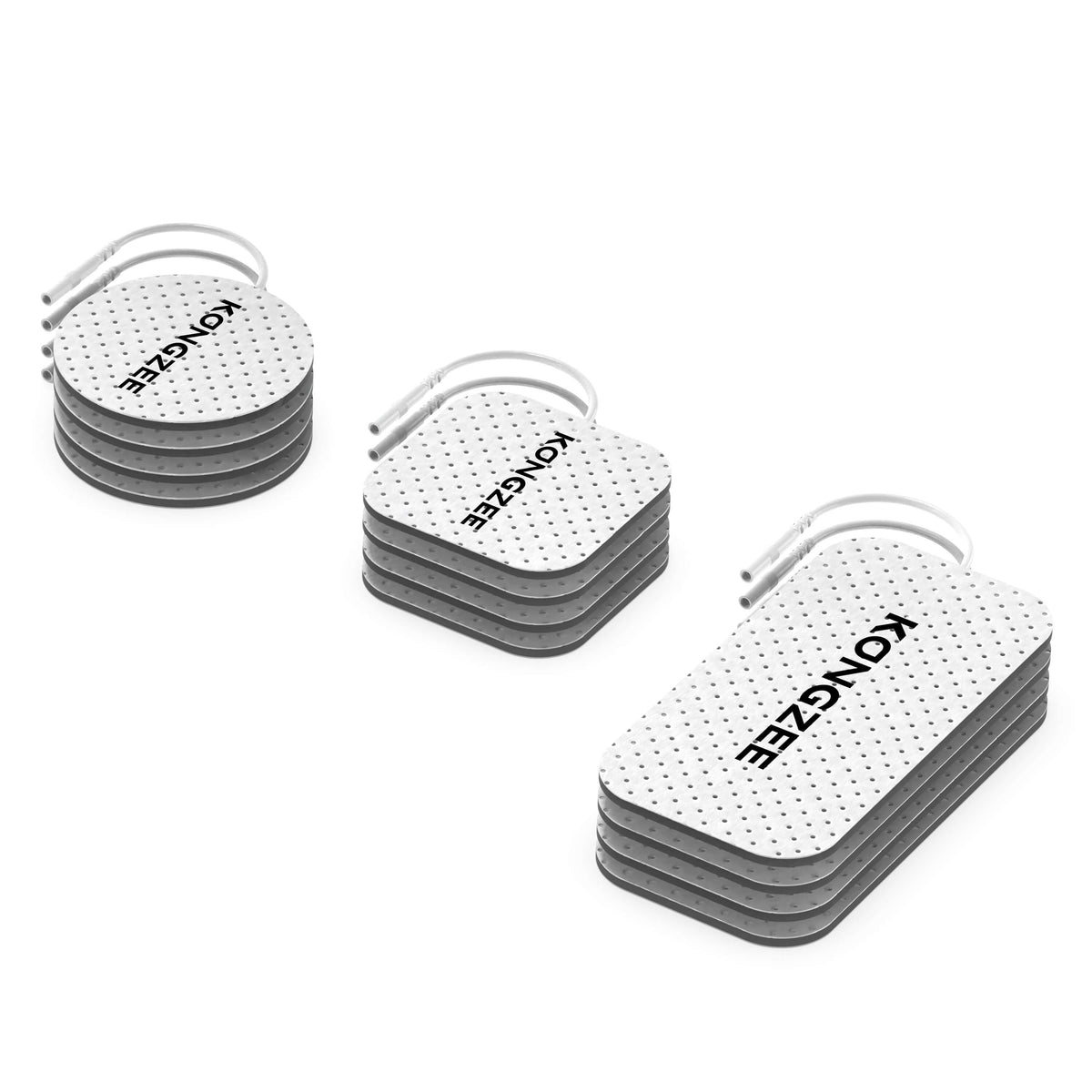
Prioritize clear mode labels, gradual intensity control, compatible replacement pads and readable safety instructions. Independent dual channels can help when a clinician recommends two pad pairs, but channel count does not make an unsafe placement acceptable.
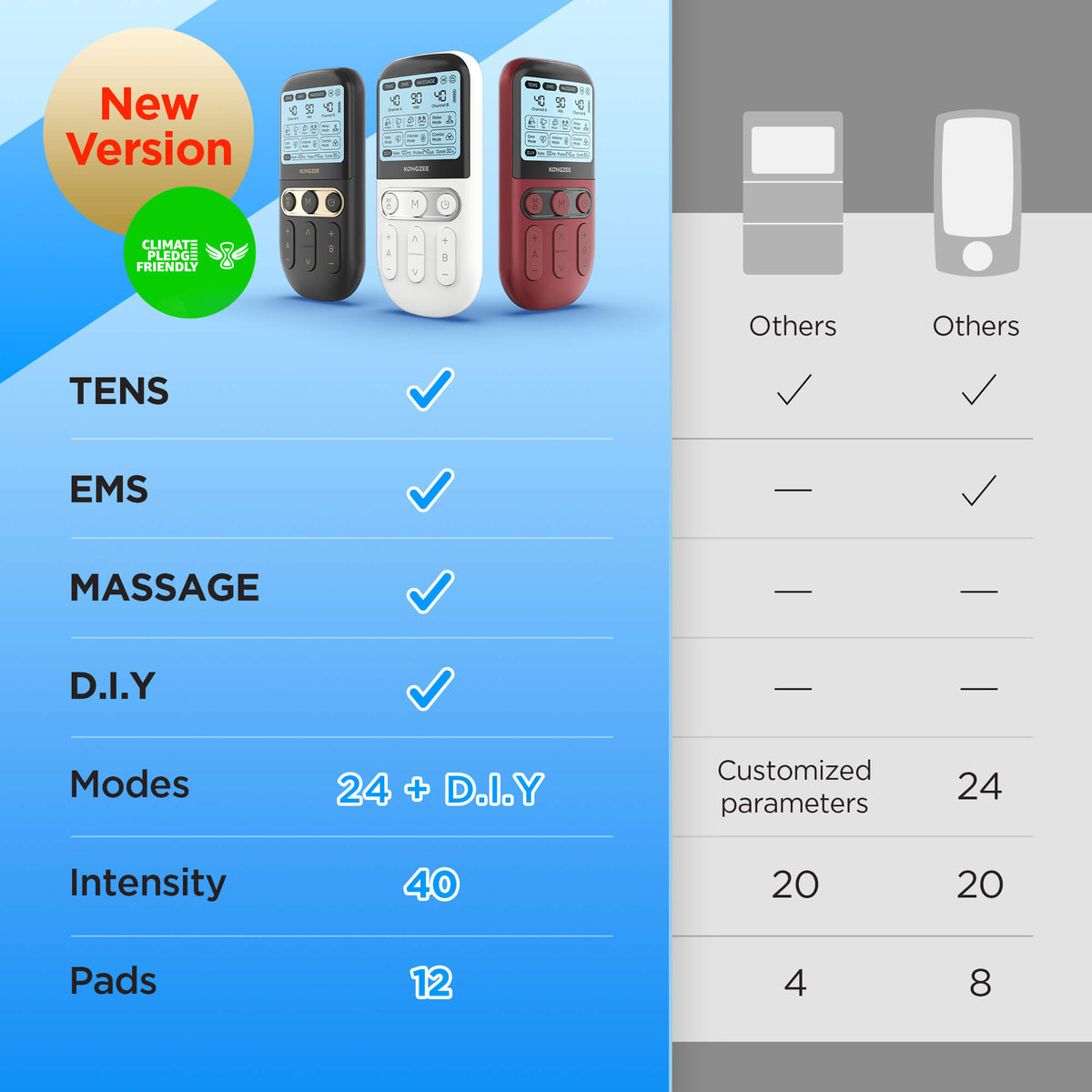
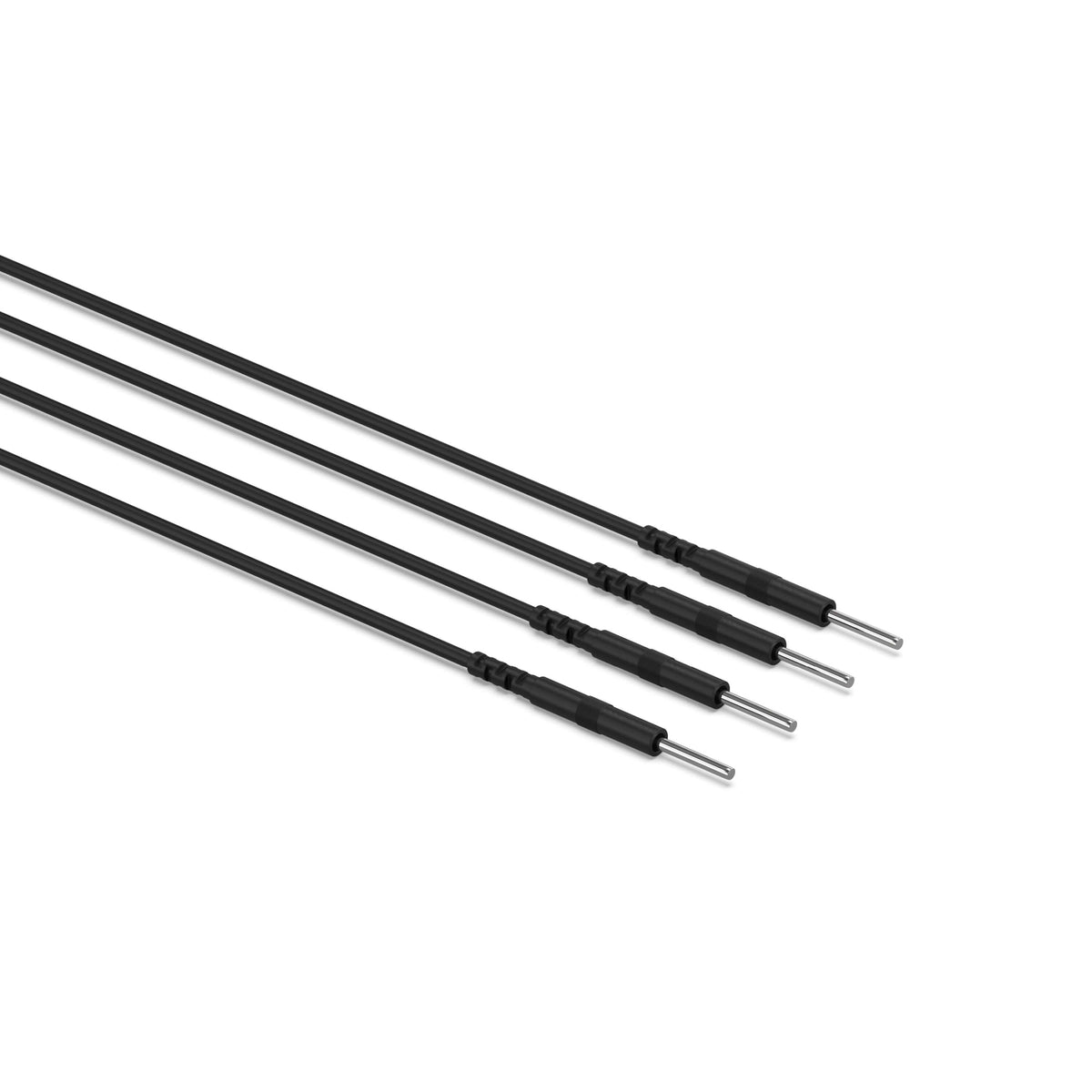
The KONGZEE 4-in-1 TENS and EMS unit includes separate TENS, EMS, Massage and DIY modes, independent A and B intensity controls, 40 intensity levels and reusable 2mm pin electrodes. These controls provide flexibility; they do not identify the cause of shoulder pain or make every placement suitable.
Frequently Asked Questions
Can I put TENS pads on top of my shoulder?
Use healthy soft tissue around the painful area and avoid prominent bone, the front and sides of the neck and any pathway across the chest. Follow the manual or clinician-confirmed placement.
Can TENS help a rotator cuff tear?
TENS may temporarily change pain perception, but it cannot repair a torn tendon. A suspected tear needs assessment and an appropriate rehabilitation or treatment plan.
Why does my shoulder twitch during TENS?
Check that the unit is in TENS mode and reduce intensity. TENS generally produces tingling rather than a forceful contraction. Strong movement may indicate high intensity or that EMS mode is selected.
Can I sleep with TENS on my shoulder?
No. Do not use TENS while sleeping because you cannot reliably monitor the skin, pad position or intensity.
Can I use TENS after shoulder surgery?
Only with approval from the surgical team. Avoid the incision and any area with altered sensation, and follow the prescribed rehabilitation plan.
Reviewed September 16, 2026. This article is educational and does not replace diagnosis, medical advice, rehabilitation or the instructions supplied with your device.






Leave a comment
All comments are moderated before being published.
This site is protected by hCaptcha and the hCaptcha Privacy Policy and Terms of Service apply.