

Short answer: Electrical muscle stimulation (EMS) sends controlled electrical pulses through electrodes on the skin to activate motor nerves and produce muscle contractions. It is also called neuromuscular electrical stimulation (NMES) in many clinical and research settings. EMS is used for muscle activation, rehabilitation and some training goals, but it does not replace regular exercise, diagnose an injury or guarantee faster recovery.
How Electrical Muscle Stimulation Works
Your nervous system normally sends electrical signals that tell skeletal muscles to contract. An EMS device delivers pulses through adhesive electrodes placed over an appropriate muscle area. When the signal reaches motor nerves, the targeted muscle contracts and relaxes in response to the selected program and intensity.
The sensation and visible response depend on electrode placement, intensity, pulse settings, the muscle being stimulated and the person using the device. A stronger setting is not automatically more useful. The contraction should remain controlled and tolerable, and the instructions for the specific device should take priority.

EMS, NMES and E-Stim: What Do the Terms Mean?
| Term | Meaning | Typical Context |
|---|---|---|
| EMS | Electrical muscle stimulation | Consumer devices, fitness and general muscle activation |
| NMES | Neuromuscular electrical stimulation | Clinical rehabilitation and research |
| E-stim | General shorthand for electrical stimulation | May describe several therapies, including EMS and TENS |
| FES | Functional electrical stimulation | Clinician-directed stimulation linked to a functional movement |
These terms overlap, but they are not always interchangeable. Functional electrical stimulation is typically part of a professional treatment plan, while a home EMS mode may be designed for more general muscle activation. Follow the intended use shown in the product instructions.
What Is EMS Used For?
The FDA overview of electronic muscle stimulators explains that many reviewed devices are intended for physical therapy and rehabilitation under professional direction. Clinical applications can include muscle re-education and support for impaired muscle function in selected medical situations.
Home users may also encounter EMS in combination devices intended for muscle activation or post-workout routines. Results depend on the device, program, health status and goal. Rehabilitation after surgery, stroke or a major injury requires guidance from a qualified healthcare professional rather than self-directed settings.
What EMS Cannot Do
- It does not provide a complete substitute for strength, mobility or cardiovascular exercise.
- It does not cause meaningful weight loss by itself.
- It cannot diagnose the reason for pain, weakness or loss of function.
- It does not guarantee muscle growth, faster recovery or a change in appearance.
The FDA states that electrical stimulation may temporarily strengthen, tone or firm a muscle, but warns against unsupported claims about weight loss, girth reduction or obtaining defined abdominal muscles. Diet, regular activity and an appropriate training or rehabilitation plan remain important.
What Does the Evidence Say About Exercise Recovery?
Research varies by population, settings and outcome. A systematic review of NMES for exercise recovery found some subjective benefits in individual studies, but no convincing evidence that NMES improved subsequent performance. This means EMS can be considered a supplementary tool rather than a proven shortcut to recovery or performance gains.
People using electrical stimulation for a diagnosed condition should follow a clinician-designed protocol. Consumer product settings should not be copied from research papers or another person's treatment plan.
EMS vs TENS
| Feature | EMS | TENS |
|---|---|---|
| Main target | Motor nerves and muscle contraction | Sensory nerves and pain modulation |
| Expected response | Rhythmic or visible muscle contraction | Strong but comfortable tingling, usually without contraction |
| Common goal | Muscle activation or clinician-directed rehabilitation | Temporary symptom management |
| Placement | Over an appropriate muscle area | Near or around the painful area, as directed |
Combination devices can provide both functions, but the selected mode must match the goal. Read the complete TENS vs EMS comparison before switching between programs.
Basic Steps for Using an EMS Muscle Stimulator
- Read the device instructions, warnings and intended uses.
- Switch the unit off before connecting lead wires or handling electrodes.
- Apply compatible pads to clean, dry, intact skin over the intended muscle area.
- Select the EMS program only after confirming the correct mode and placement.
- Begin at the lowest intensity and increase gradually to a controlled, tolerable contraction.
- Stop if you feel sharp pain, burning, dizziness or significant skin irritation.
- Switch the unit off before repositioning or removing any pad.
Do not copy TENS placement automatically for EMS. Motor-point location and the direction of contraction matter, especially during rehabilitation. Seek professional placement guidance when the goal involves weakness, surgery or a diagnosed neuromuscular condition.

EMS Safety and Areas to Avoid
- Do not place electrodes on the head, eyes, mouth, front or sides of the neck.
- Do not arrange pads so current passes across the chest.
- Do not use on broken, infected, irritated or numb skin.
- Do not use while sleeping, bathing, driving or operating machinery.
- Keep the unit, leads and electrodes away from children and pets.
- Stop use if contractions are painful or uncontrolled.
Ask a healthcare professional before using electrical stimulation if you are pregnant or have a pacemaker or another implanted electronic device, epilepsy, heart disease, cancer, circulation problems, reduced sensation or a recent operation. The FDA has received reports involving shocks, burns, bruising, skin irritation, pain and interference with implanted devices, which is why correct labeling and instructions matter.
How to Choose an EMS Muscle Stimulator
| Feature | What to Check |
|---|---|
| Mode clarity | EMS is clearly separated from TENS or massage programs |
| Intensity control | Settings begin low and adjust gradually |
| Channels | Independent controls if two pad pairs are used |
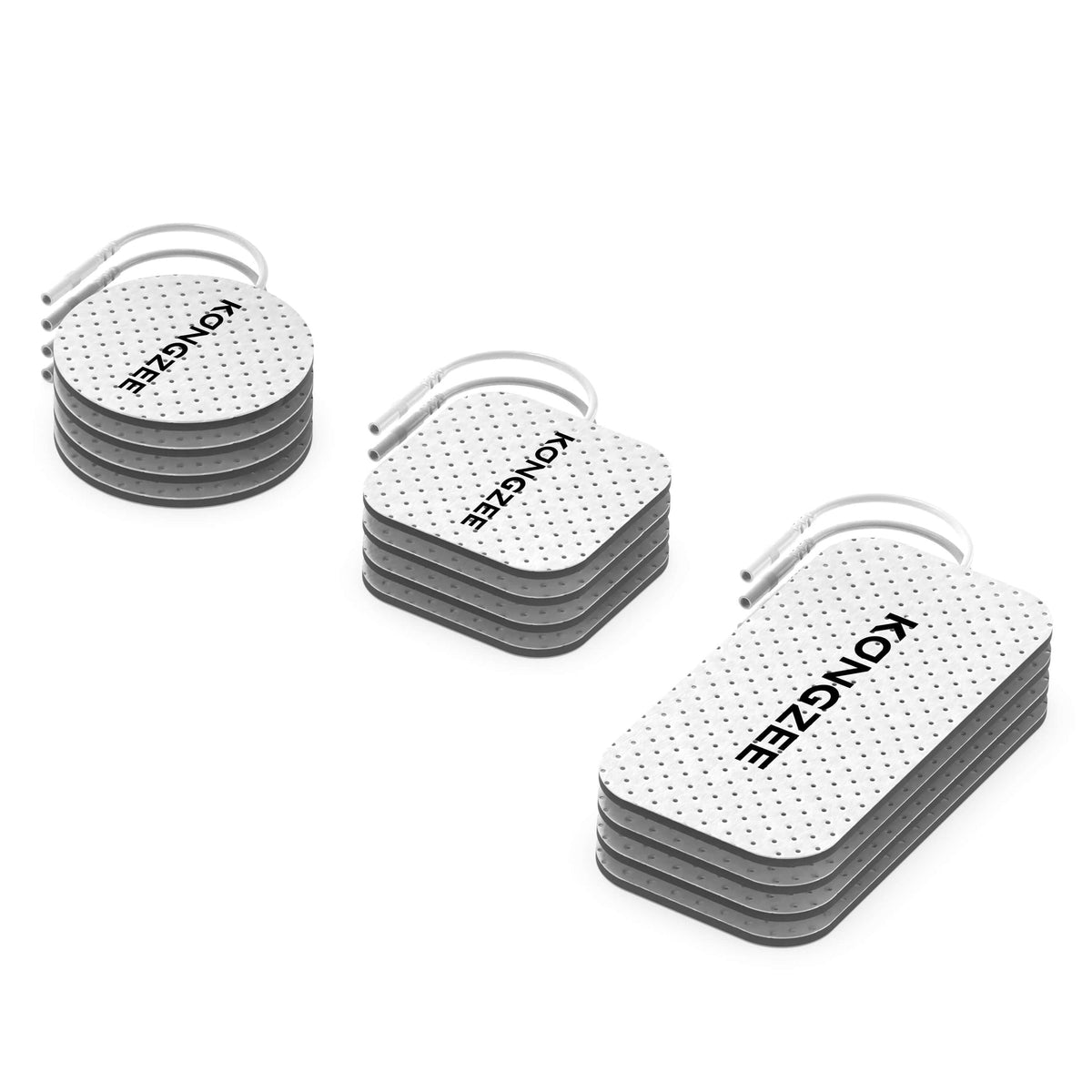
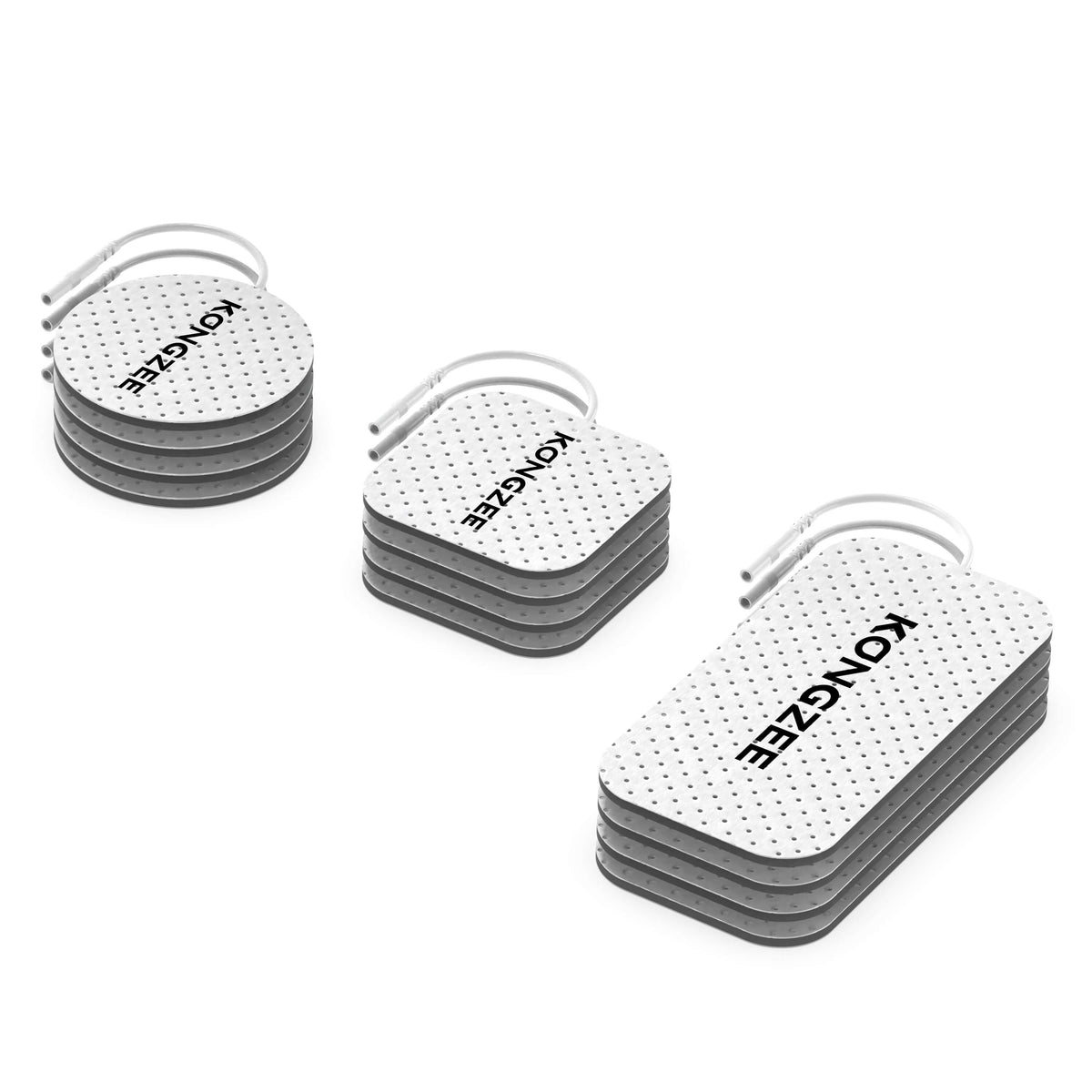
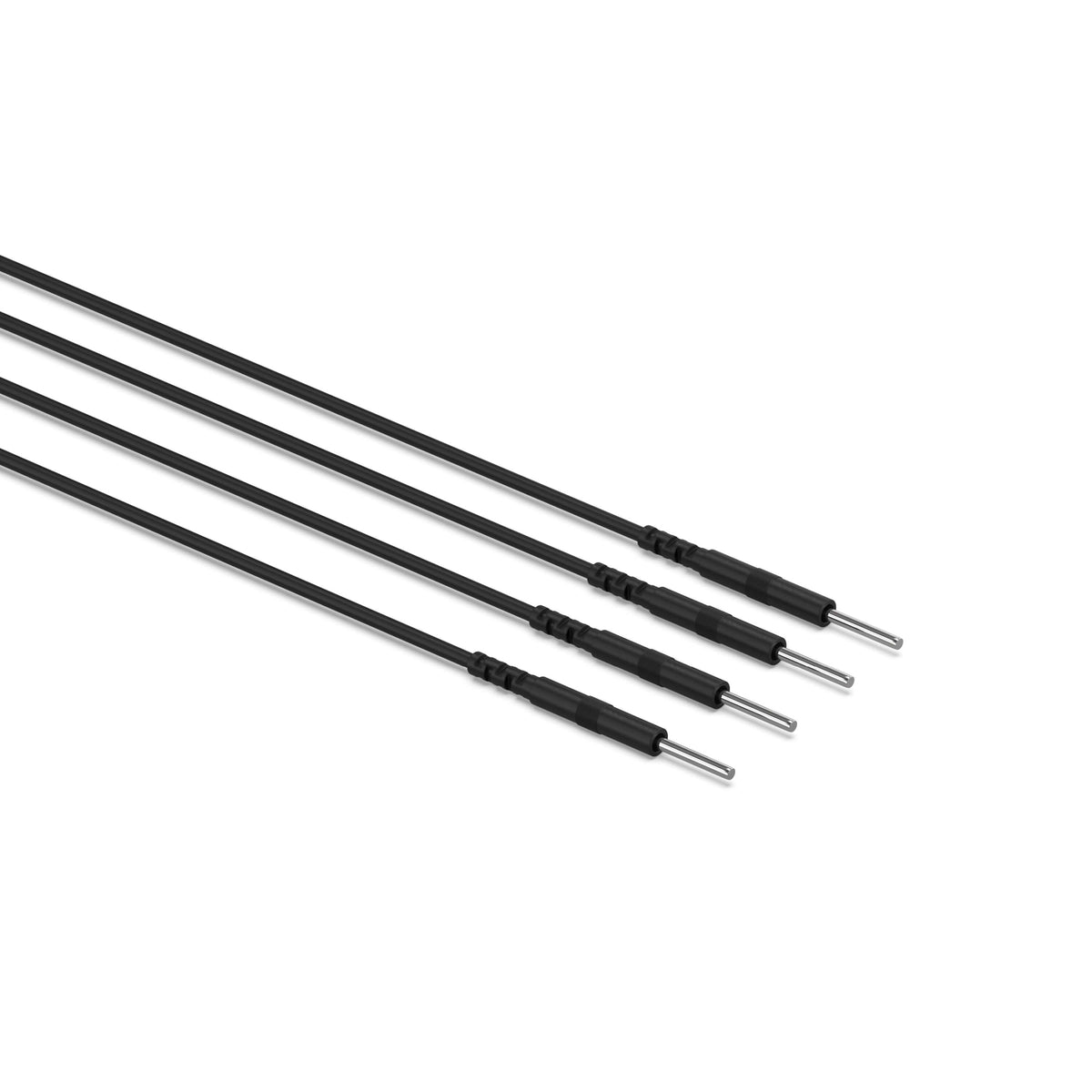
| Electrodes | Compatible connector, appropriate sizes and available replacements |
| Instructions | Clear placement, warning, cleaning and troubleshooting guidance |
| Power | Battery status and charging method suit the intended use |
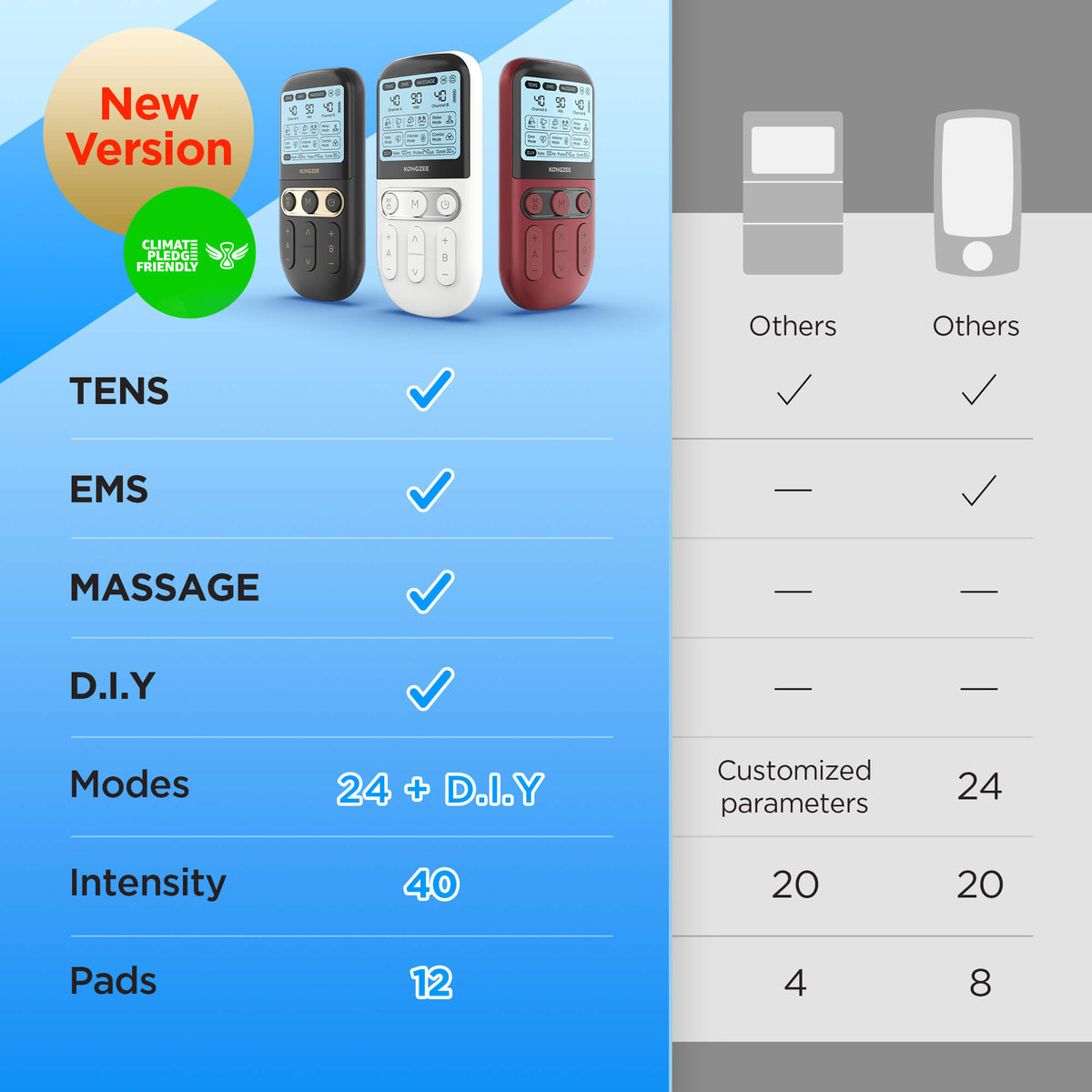
The KONGZEE 4-in-1 TENS and EMS unit provides separate TENS, EMS, Massage and DIY modes, independent dual-channel intensity control, 40 intensity levels, USB-C charging and reusable 2mm pin electrodes. These features provide flexibility; they do not make every mode or placement suitable for every person.
Frequently Asked Questions
Does EMS build muscle?
EMS can cause muscle contractions and may support selected strengthening or rehabilitation programs, but it is not a complete replacement for progressive exercise and does not guarantee muscle growth.
Should EMS make the muscle move?
Yes. EMS is designed to activate motor nerves, so a controlled muscle contraction is expected. Stop if movement is painful, abrupt or difficult to control.
Can EMS help after a workout?
Some users report subjective recovery benefits, but research has not shown consistent improvements in subsequent performance. Treat EMS as an optional addition to sleep, nutrition, appropriate activity and recovery time.
Can I use the same pads for TENS and EMS?
Some electrodes are labeled for both functions. The connector, pad condition and device instructions must match. Review the electrode compatibility guide before ordering replacements.
Is EMS safe to use every day?
There is no universal schedule for every device, goal and person. Follow the product manual and any clinician-designed plan, and allow the skin and muscle to recover if irritation, soreness or fatigue develops.
Related Guides
- TENS vs EMS: differences, uses and safety
- Electrical stimulation and athletic recovery
- EMS and age-related muscle loss
- Replacement electrode pad compatibility
- KONGZEE device manual and support
Reviewed September 16, 2026. This article is educational and does not replace medical advice, diagnosis, rehabilitation or the instructions supplied with your device.





Leave a comment
All comments are moderated before being published.
This site is protected by hCaptcha and the hCaptcha Privacy Policy and Terms of Service apply.